Drilling equipment & exploration services
长坤地质 CHANGKUN GEO

Sampling & equipment selection

Drilling applications

Start with the sample your project needs, then consider the rig and tooling. Core drilling and reverse circulation produce different sample types, and equipment must be assessed against formations and site conditions.

Two sampling methods

岩芯钻探 / Core drilling

Recovers core samples

Core drilling

Core rigs work with wireline core tooling. Selection depends on core size, target depth, hole angle and formation. Drilling depth capability varies with the selected core size.

  • Required core size and target depth
  • Matching rod, core barrel and bit sizes
  • Water supply, hole angle and transport access
Core drilling products
反循环取样 / Reverse circulation sampling

Collects cuttings samples

Reverse circulation sampling

RC rigs use drill rods, hammers and bits to collect cuttings through the return passage. Selection depends on depth, hole diameter and air supply. Hammer and bit compatibility also needs to be checked by model.

  • Target hole diameter, depth and formations
  • 3 m and 6 m RC rods and connection sizes
  • Hammer and bit models, and site air supply
RC drilling products
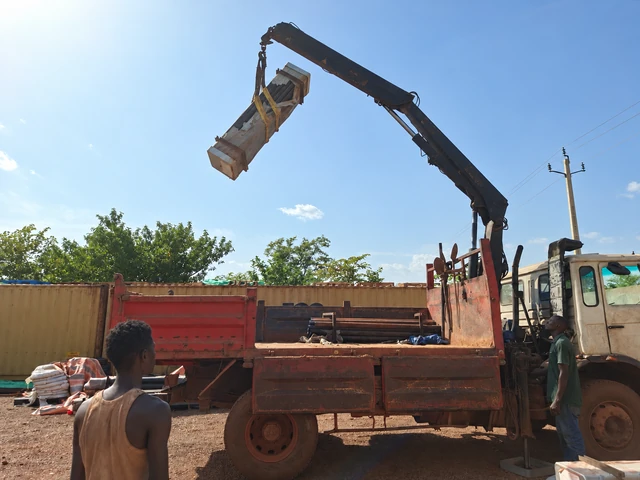
Field photograph of lifting and transferring site supplies
Lifting and transferring site supplies

Field material handling

Field operations depend on moving equipment and supplies as well as drilling and sampling. Lifting and transfer arrangements need to suit site access, unloading space and the work that follows.

Gold, bauxite and other mineral projects

Changkun's West African field experience includes gold, bauxite and other mineral exploration. The mineral provides project context, while equipment selection still depends on sample requirements, formations and depth. Existing hole designs, formation descriptions or equipment lists can be included with your enquiry.

Discuss equipment selection

What to check before selection

Sampling
Core or cuttings; required sample size and hole design.
Hole requirements
Target depth, diameter, angle and known formation details.
Site conditions
Water and air supply, equipment transport and site access.
Existing equipment
Models, dimensions and connections of existing rigs, rods and tooling.